


Where Africa's Wilderness Finds its Purest Form
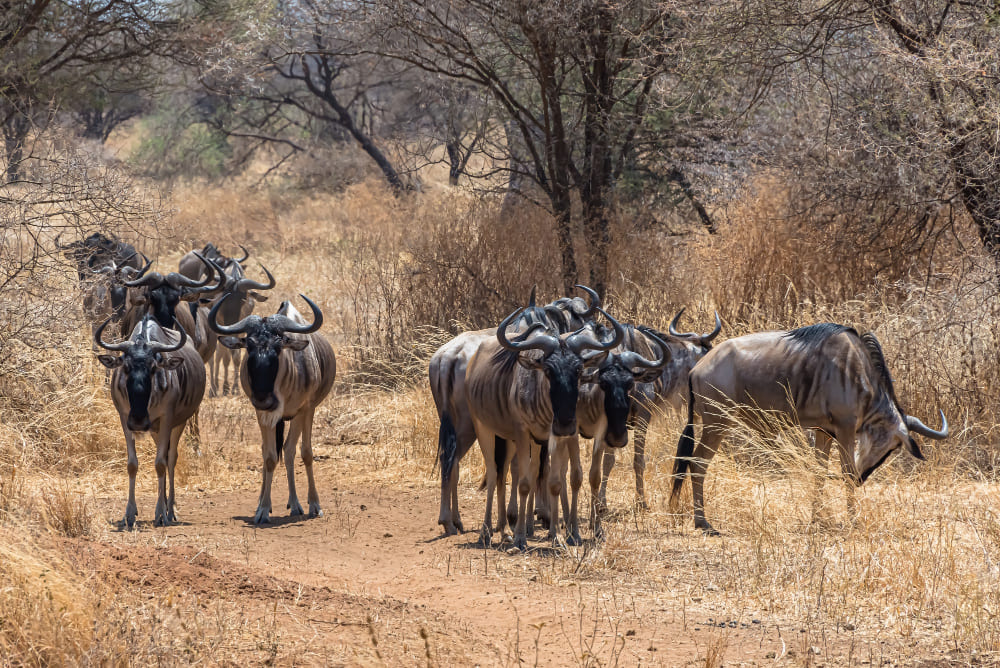
Tanzania isn’t just a destination—it’s one of the greatest wildlife sanctuaries on Earth. From the endless plains of the Serengeti to the volcanic majesty of the Ngorongoro Crater, Tanzania delivers a safari experience steeped in drama, beauty, and authenticity. This is a land where wildlife roams freely, traditions run deep, and nature unfolds in its most untouched form.
The Home of the Iconic Serengeti
The word Serengeti means “endless plains” in the Maasai language—and when you arrive, you understand why.
Stretching across thousands of kilometers, the Serengeti is the stage for one of the most extraordinary wildlife events in the world: the Great Wildebeest Migration.
Every year, over 1.5 million wildebeest, accompanied by zebras and gazelles, thunder across the plains in search of greener pastures. This natural spectacle attracts predators, photographers, and travelers from across the globe.
Whether it’s lions basking on kopjes, cheetahs scanning the horizon, or hyenas trailing the herds, the Serengeti’s wildlife encounters feel endless.
Ngorongoro Crater: The Garden of Eden
The Ngorongoro Crater is one of Africa’s most unique safari destinations. Formed millions of years ago, this massive volcanic caldera creates a natural enclosure where wildlife thrives.
Inside the crater, you’ll find:
Black rhinos
Large lion prides
Elephants
Hippos
Flamingos
Endless birdlife
A safari here feels like stepping into a real-life nature documentary—lush, vibrant, and teeming with life.
Tarangire: Land of Giants and Baobabs
Known for its ancient baobab trees and massive elephant herds, Tarangire National Park offers an authentic safari without the crowds. During the dry season, thousands of animals gather around the Tarangire River, creating spectacular viewing opportunities.
If you love peaceful game drives and stunning landscapes, Tarangire is a gem you shouldn’t miss.
Lake Manyara: Flamingos and Tree-Climbing Lions
Lake Manyara is small compared to the Serengeti, but it packs a punch.
It’s a birder’s paradise with thousands of flamingos and a hotspot for the famous tree-climbing lions—a rare behavior not seen in many places.
The park’s mix of lake, forest, and open plains makes it ideal for travelers looking for variety in a single day.
Southern Tanzania: Africa’s Best-Kept Secret
For those seeking untouched wilderness, southern Tanzania’s parks are unmatched.
Ruaha National Park
One of Africa’s largest national parks, known for:
Vast lion populations
Wild dogs
Remote, rugged landscapes
Fewer tourists — a true wilderness feel
Nyerere (Selous) National Park
Perfect for:
River safaris
Birdwatching
Boat trips along the Rufiji River
Seeing crocodiles, hippos, elephants, and water birds in incredible numbers
These parks are ideal for experienced safari lovers craving isolation and authenticity.
When to Visit Tanzania
June–October → Peak season, Migration viewing, dry and clear
December–March → Calving season in the Serengeti (big predator action)
April–May → Green season, ideal for photography and fewer tourists
Each period offers a unique window into Tanzania’s natural rhythms.
The Tanzanian Experience: A Blend of Culture and Nature
Beyond wildlife, Tanzania boasts rich cultural experiences.
Visitors can meet the Maasai in the northern highlands, explore Swahili culture along the coast, and enjoy the warmth and hospitality Tanzanians are known for.
And after days of game drives, nothing beats relaxing on the white-sand beaches of Zanzibar—a perfect safari-and-sea combination.
A Safari Destination Like No Other
Tanzania offers raw beauty, iconic landscapes, and unforgettable wildlife encounters. Whether you’re tracking lions in the Serengeti, descending into the Ngorongoro Crater, or cruising the Rufiji River at sunset, every moment feels timeless.
A Tanzanian safari isn’t just a trip—it’s a story you’ll tell forever